Let go of vanity metrics, and start focusing on actionable metrics
In my conversation with founders, I’ve noticed 9 out of 10 are fascinated by vanity metrics.
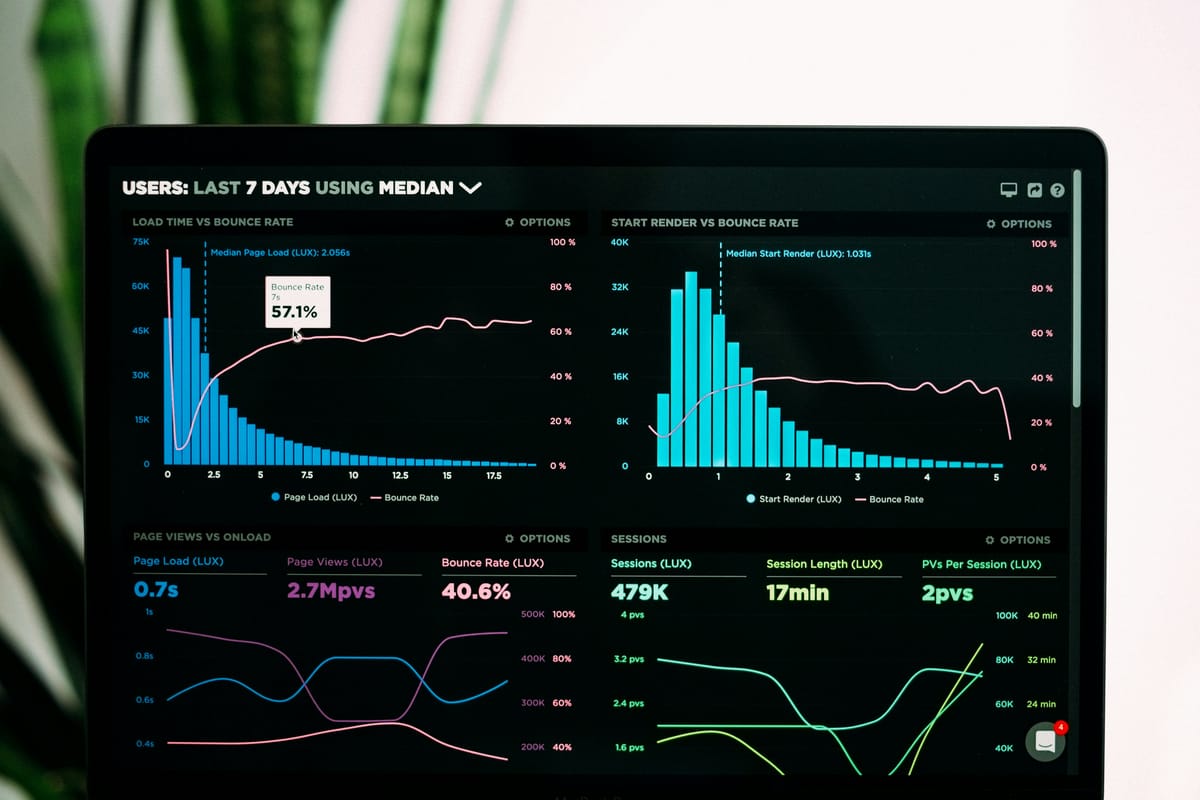
In my conversation with founders, I’ve noticed that 9 out of 10 are fascinated by vanity metrics.
Many are also overwhelmed by the sheer number of metrics they track, sometimes exceeding 100 for a simple product.
What does this setup lead to → Data overload & no meaningful value.
Some Founders realize this issue and seek solutions, while others remain in their dream world and believe they’re being data-driven.
Being data-driven is about how you can use data to inform your product decisions, not just monitor it without taking action. And, to achieve this, you need to start with actionable metrics.
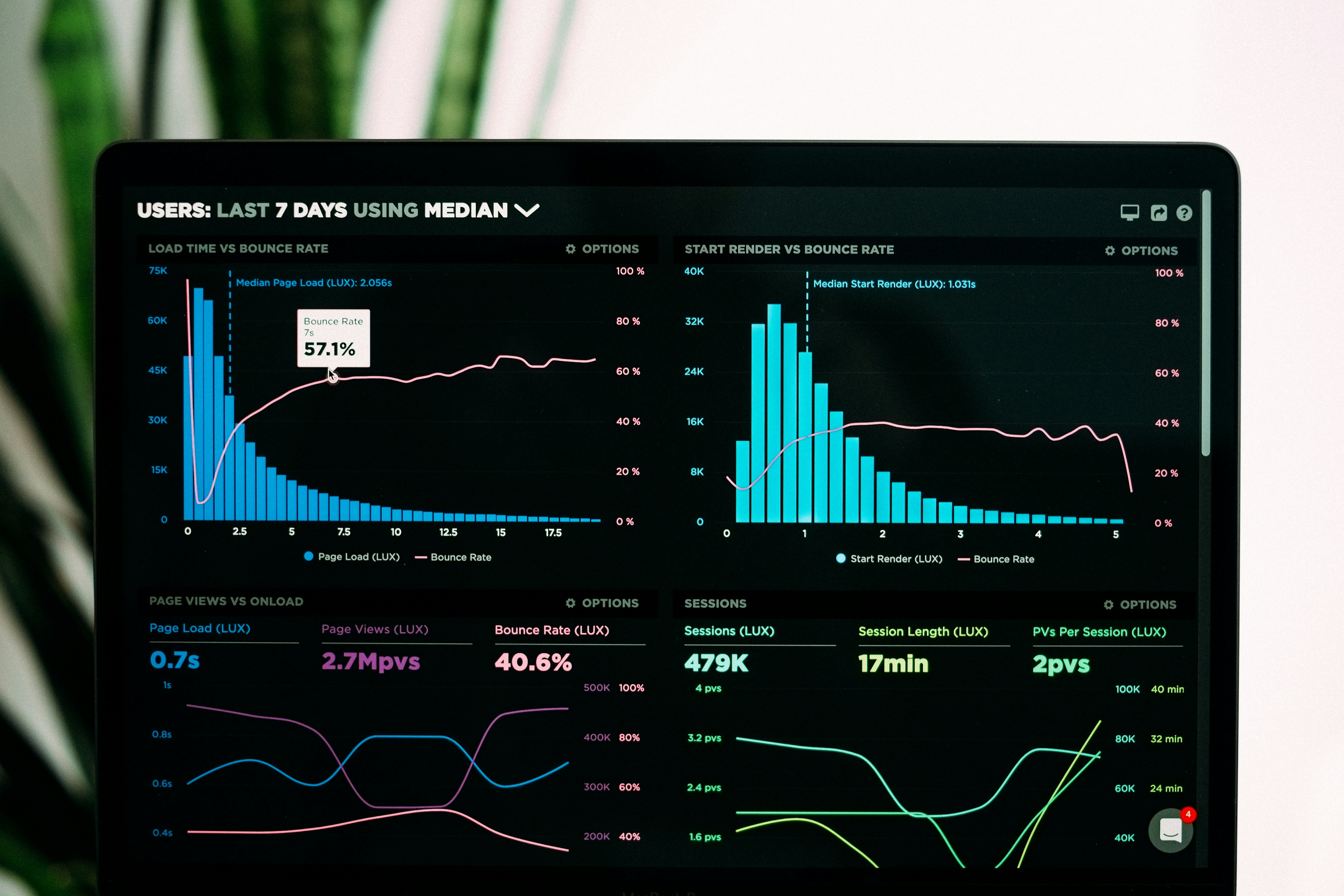
Understanding the Difference: Vanity Metrics vs. Actionable Metrics
Vanity metrics are impressive and might sound important, but they rarely provide a clear direction for improvement. It's important to note that what constitutes a vanity metric can vary depending on the context. Examples include:
- App Downloads: From a product standpoint, the number of app downloads is a vanity metric because it doesn’t tell you how users engage with the app post-download. However, from a marketing standpoint, it’s a crucial metric that indicates the success of marketing campaigns.
- Website Traffic: High traffic numbers can be misleading if those visitors aren’t taking meaningful actions, like signing up or making a purchase. Yet, for a marketing team, traffic can be an important indicator of campaign reach and effectiveness.
In contrast, actionable metrics are often straightforward but offer clear guidance on where to steer your product. Examples include:
- Conversion Rate: Indicates the percentage of users who complete a desired action, such as signing up or making a purchase, providing a direct measure to optimize.
- Customer Retention Rate: Shows the percentage of customers who return over a period, highlighting areas to improve user experience and satisfaction.
Combining metrics for actionable insights
It's often the combination of multiple metrics that turn into actionable insights, rather than a single one.
Sometimes, these combinations can include both vanity and actionable metrics. Therefore, when deciding on which metrics to monitor, it's crucial to consider how they can work together to inform your decisions. For example:
Website Traffic + Conversion Rate: High website traffic is a vanity metric, but when combined with the conversion rate, it can help you understand the quality of your traffic and how well your site is converting visitors into customers. And, also which are the best channels that are converting.
Finally, how do you generate actionable metrics?
It’s not that complicated. Follow these steps:
- Break Down Your Product: Divide your product into manageable parts to make it easier to analyze. You can use the AAARRR funnel. I’ve written an article about it here.
- List Metrics for Each Part: Identify key metrics for each part of your product.
- Define the Action: For each metric, determine how it will guide your actions individually.
- Combine Metrics: Look for combinations of metrics, including both vanity and actionable metrics, that can provide deeper insights.
- Validate Relevance: If a metric or combination of metrics doesn’t have a clear action tied to it, stop monitoring it.
Example: Applying Actionable Metrics to Instagram
Consider a metric for Instagram: the percentage of users who post within three days of signing up.
Suppose this is 43%. This metric is actionable because it gives a clear direction: improve user engagement within the first three days. You can analyze what drives this behavior and experiment to increase this percentage.
In contrast, simply tracking the total number of posts made on the platform by new users within 3 days doesn’t provide any actionable insights.
By focusing on actionable metrics and how they can work together, you can make informed decisions that drive product improvements and ultimately, business success.
Hope this was helpful. If you’re looking for any help with Mixpanel or analytics, feel free to reach out using any of the below methods.
LinkedIn | Email - anshdoesanalytics@gmail.com | Book a slot on my calendar

![[Week 28] Learning Mixpanel: Computed Properties](/content/images/size/w600/2026/02/e73fb366-1c52-4f79-a28f-4a0b60d6998c_836x723.png)
![[Week 27] Learning Mixpanel: Bucket Customisation Types](/content/images/size/w600/2026/02/a81f7bcb-4886-4711-b1b8-af8c5fc6b1b8_463x476.png)
![[Week 26] Learning Mixpanel: Mastering Attribution with Mixpanel](/content/images/size/w600/2026/02/4e3a164c-bfb1-479f-9f09-2f8890eac413_885x787.png)