Three Levers to Optimize Product Experience for End Users
Creating a great product isn't just about innovative features; it's also about ensuring a seamless user experience.
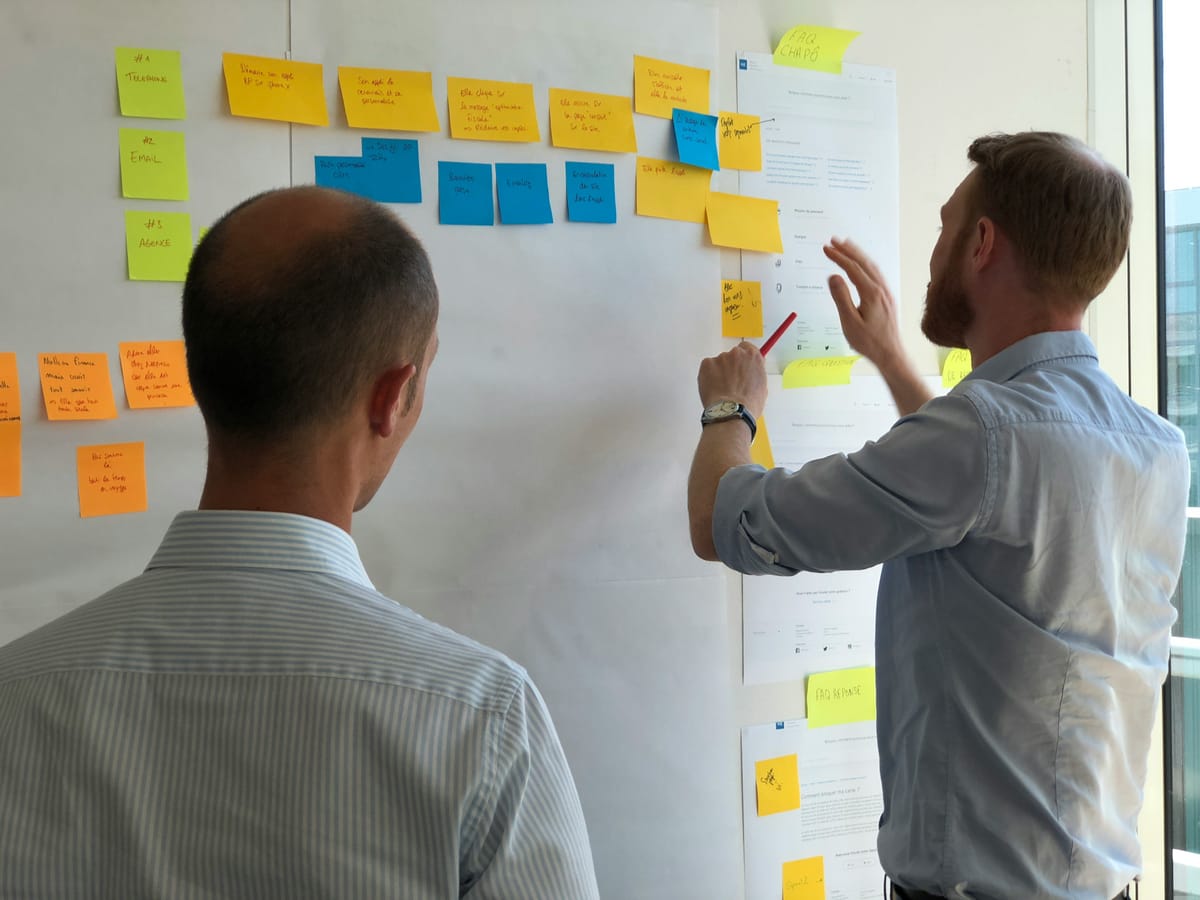
Creating a great product isn't just about innovative features; it's also about ensuring a seamless user experience.
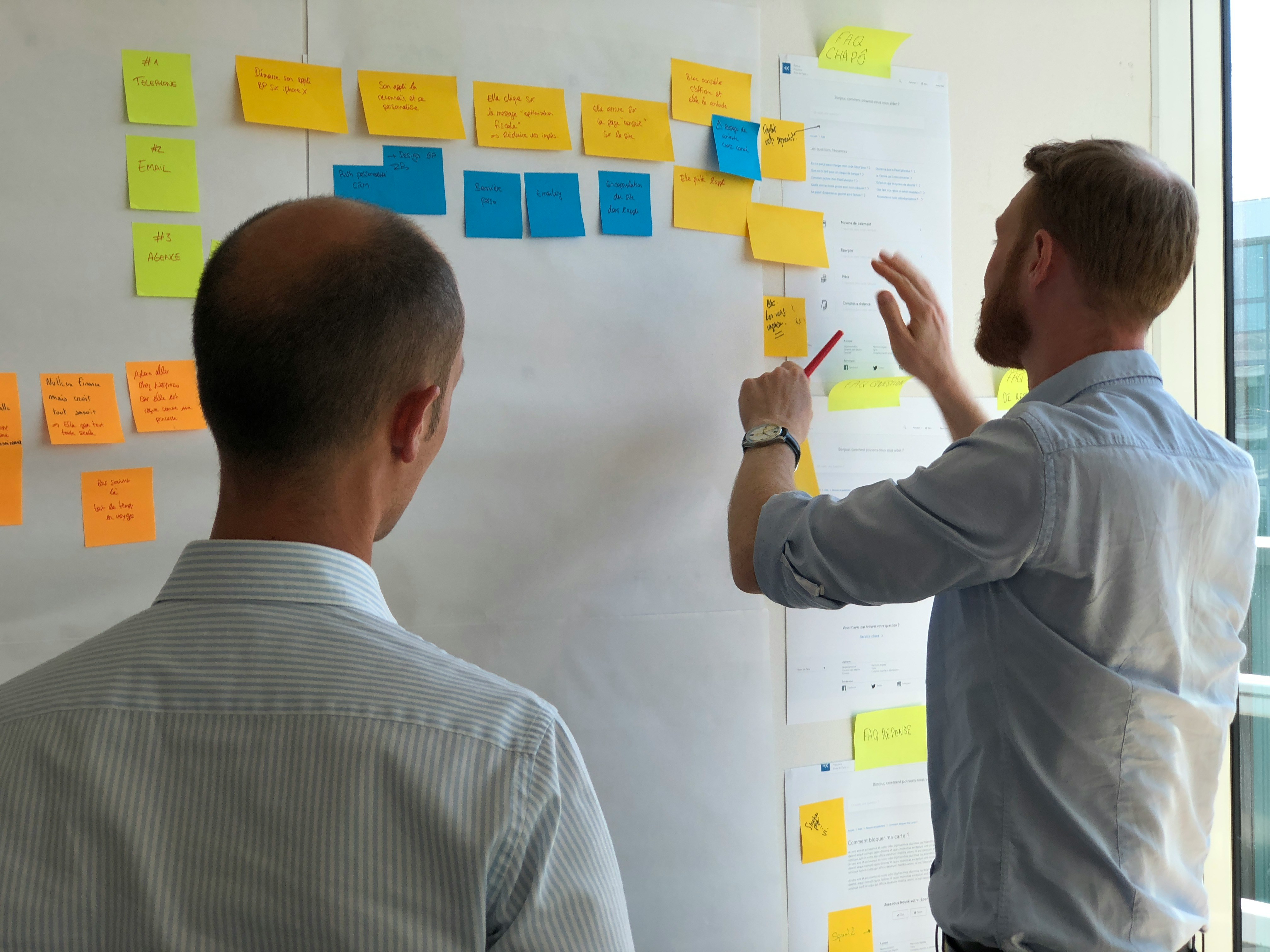
Here are three critical areas where many products falter, along with strategies to address these challenges effectively.
- High friction flows
- Expectation mismatch
- Huge learning curve to use the product
Let’s get into it, right away.
Reducing user friction
You need to streamline your user journey minimizing any obstacle that prevents users from experiencing product value quickly.
The Sooner they experience the value of your product → The better their engagement levels.
In my experience, high friction steps can be classified into 2 buckets - either conveying unnecessary information or requiring huge user input.
Here are some examples of common high friction points:
- Overly detailed sign-up forms
- Mandatory, non-skippable onboarding pop-ups/ Unnecessary informational screens during the onboarding process.
- Multiple CTA clicks in a single flow for the same action
Identifying high-friction flows, & reducing friction
- Map Out Major Funnels: Utilize analytics tools like Mixpanel to build and analyze your user funnels.
- Identify Drop-offs: Look for stages in the funnel where significant user drop-offs occur.
- Evaluate Each Step: Reassess each step for relevance and user input load. Ask if removing a step would negatively impact the user experience or product functionality.
Simple decision framework: If a step can be removed without substantial product impact, it’s likely contributing to unnecessary friction.
Aligning with user expectations - Avoiding mismatch
You have to ensure what your product delivers, aligns with user expectations.
You cannot expect to have promised X, but focus on Y - and expect the user to stay and use the product.
Here are a couple of examples of expectation mismatch:
- A messaging app that prioritizes profile customization over adding contacts to messages, during onboarding.
- A fitness app that focuses more on social features than on tracking workout progress.
Identifying flows with expectation mismatch, & addressing them
- Map out Major Funnels & Identify drop-offs: Similar to what you would do for identifying high friction flows
- Ensure drop-off is not due to high friction: Establish the fact that friction is not the reason for drop-offs
- Identify “Jobs to be Done”: Clearly define what job your product is hired to do. Align your product journey to these jobs to ensure that users can accomplish their goals efficiently.
Jobs to be Done framework: It states that customers don't buy products, they buy the completed jobs the products help bring about. Realign your product to focus on the primary reason users choose your product.
Eliminating learning curves
You need to design an intuitive product UI that users can navigate effortlessly without needing to learn new patterns or behaviors.
The best product flows are very intuitive, where users can effortlessly navigate from first use without confusion or guidance - avoiding mental overload.
Here are a couple of examples:
- If you have a social app targeted towards young users, model Instagram UI that is familiar to your target audience. ex: place the DM icon in the same location as Instagram.
- If you have a navigation app, model Google Maps UI that’s familiar to your audience.
Identifying UI with high learning curves
- User Recordings and Heatmaps: Analyze how users interact with your product. Look for signs of confusion or repeated incorrect interactions.
- User Journey Analysis: Examine the paths users take to complete tasks and the time involved.
Avoid overly creative or novel designs unless they add significant value over existing, familiar solutions. Sometimes, sticking with what users know will lead to better engagement.
By focusing on these three areas—reducing friction, aligning with user expectations, and eliminating learning curves—you can significantly enhance the overall user experience.
Each strategy not only aims to reduce user effort but also ensures that the product is a joy to use, thereby increasing user retention and satisfaction.
Hope this was helpful. If you’re looking for any help with Mixpanel or analytics, feel free to reach out using any of the below methods.
LinkedIn | Email - anshdoesanalytics@gmail.com | Book a slot on my calendar

![[Week 28] Learning Mixpanel: Computed Properties](/content/images/size/w600/2026/02/e73fb366-1c52-4f79-a28f-4a0b60d6998c_836x723.png)
![[Week 27] Learning Mixpanel: Bucket Customisation Types](/content/images/size/w600/2026/02/a81f7bcb-4886-4711-b1b8-af8c5fc6b1b8_463x476.png)
![[Week 26] Learning Mixpanel: Mastering Attribution with Mixpanel](/content/images/size/w600/2026/02/4e3a164c-bfb1-479f-9f09-2f8890eac413_885x787.png)