What are events & properties in Mixpanel?
In Mixpanel, data about how users interact with your product is captured through events and properties.
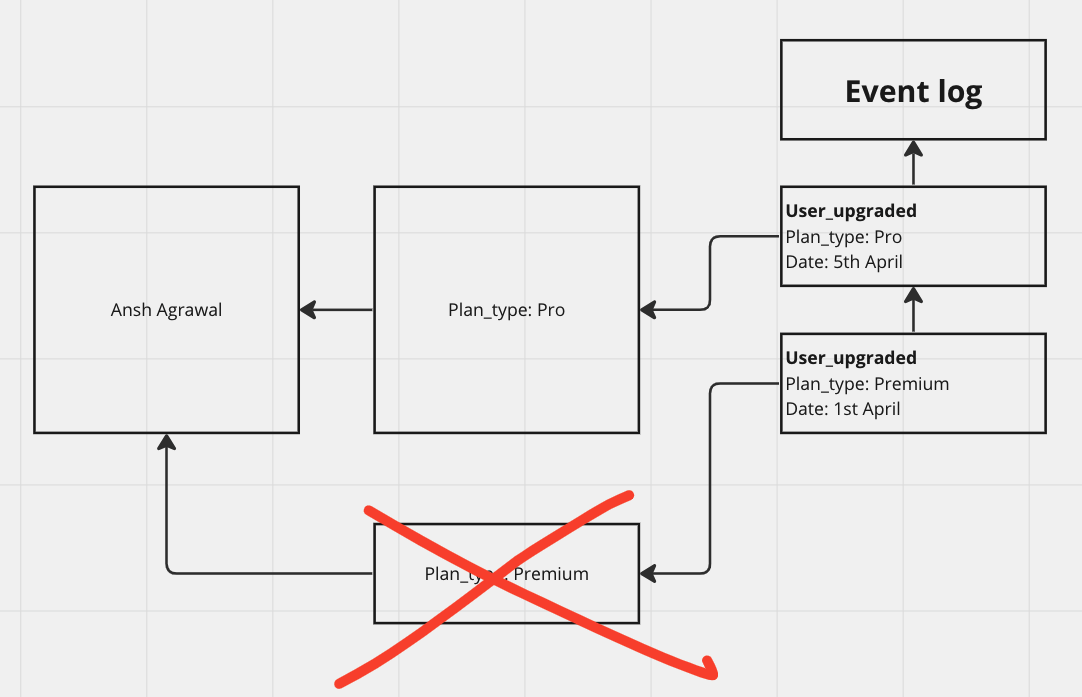
The short version: An event is an action a user takes, like "user signed up". A property is context attached to it. Mixpanel has three kinds: event properties (tied to one action), profile properties (tied to the user's current state, and they update), and super properties (attached to every event after they're set, without rewriting the past).
In Mixpanel, data about how users interact with your product is captured through events and properties. Let’s break these down into simple terms.
Event: Think of an event as an action a user takes on your product. For example, if a user signs up, you can record an event named "user signed up.”
Properties: Properties are additional pieces of information you attach to an event to give it more context. Using our sign-up example, properties could include the user's email or the sign-up method.
To make it simple, Events are tables & properties are column names.
While events are straightforward, properties are of major 3 types - event, profile & super.
Before deep-diving into each of them, let me set up a scenario to make the understanding easier.
Imagine you run a product with a freemium model. A user, currently on a free plan, decides to upgrade to a premium plan (out of premium vs pro). This action triggers an event called "user_upgraded", along with a property “plan_type” containing value “premium”.
And, you’ve set “plan_type” as a super & profile property too, apart from just an event property.
What are event properties?
“Plan_type” directly attached to the event “user_upgraded” is the event property. It helps analyze specific details about the event, like what plans users prefer when they upgrade.
What are profile properties?
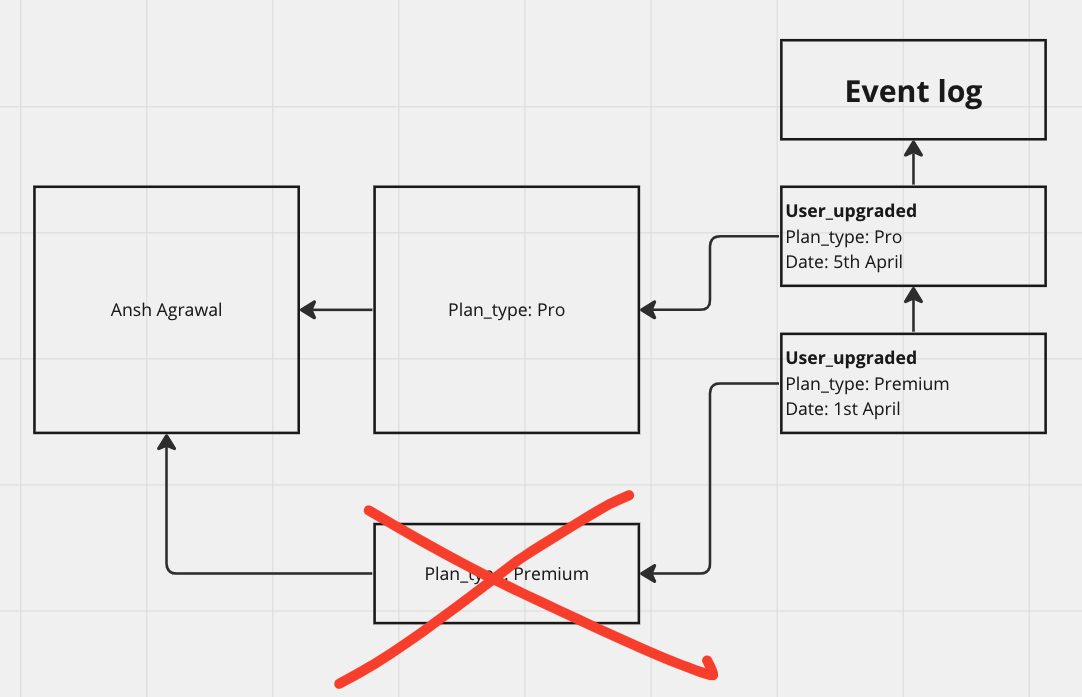
Profile properties differ from event properties in that they are tied to the user, not the event.
When the "user_upgraded" event occurs, and we set "plan_type" as a profile property, it gets attached to the user.
It’s valuable to segment users & understands behaviour based on plan types (free vs premium vs pro).
Profile properties always show the current state of the user. Hence, if the user changes plans again, this property updates, losing the previous value.
This means you can’t backtrack the user’s plan when they perform a certain event. And, that’s where super properties come into play.
What are super properties?
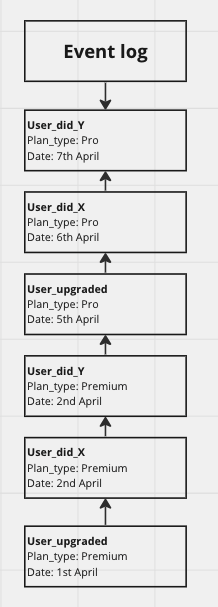
When “plan_type” is set as a super property, it gets attached to every subsequent event, post the “user_upgraded” event.
Now, if the user changes their plan, the super property will update and the new value will start flowing for all subsequent events from that moment.
However, there will be no change to the value attached to the previous events. Now, you have a simple way of knowing what the “plan_type” value of a user was, when they performed a specific event.
Refer here to read about all the steps involved in a Mixpanel setup.
Hope this was helpful. If you’re looking for any help with Mixpanel, feel free to reach out using any of the below methods.
LinkedIn | Email - anshdoesanalytics@gmail.com | Book a slot on my calendar
Frequently asked questions
What is an event in Mixpanel?
An action a user takes in your product. If a user signs up, you record an event named "user signed up".
What is a property?
Additional information attached to an event to give it context. On a sign-up event, that might be the plan type, the source, or the device.
What's the difference between event, profile and super properties?
An event property is attached to a single action. A profile property is tied to the user rather than the event, so it reflects their current state and updates over time. A super property attaches to every subsequent event once set.
Do super properties change historical events?
No. When a super property's value changes, the new value flows to all events from that moment on — previous events keep the value they had. That's what makes them useful for asking what a user's state was at the time they acted.
When should you use a profile property instead of an event property?
When you want to segment users by their current state — free vs premium vs pro — rather than analyse the details of one action.
Get new posts by email
Simplifying analytics for Founders and PMs. One email when a post goes out.